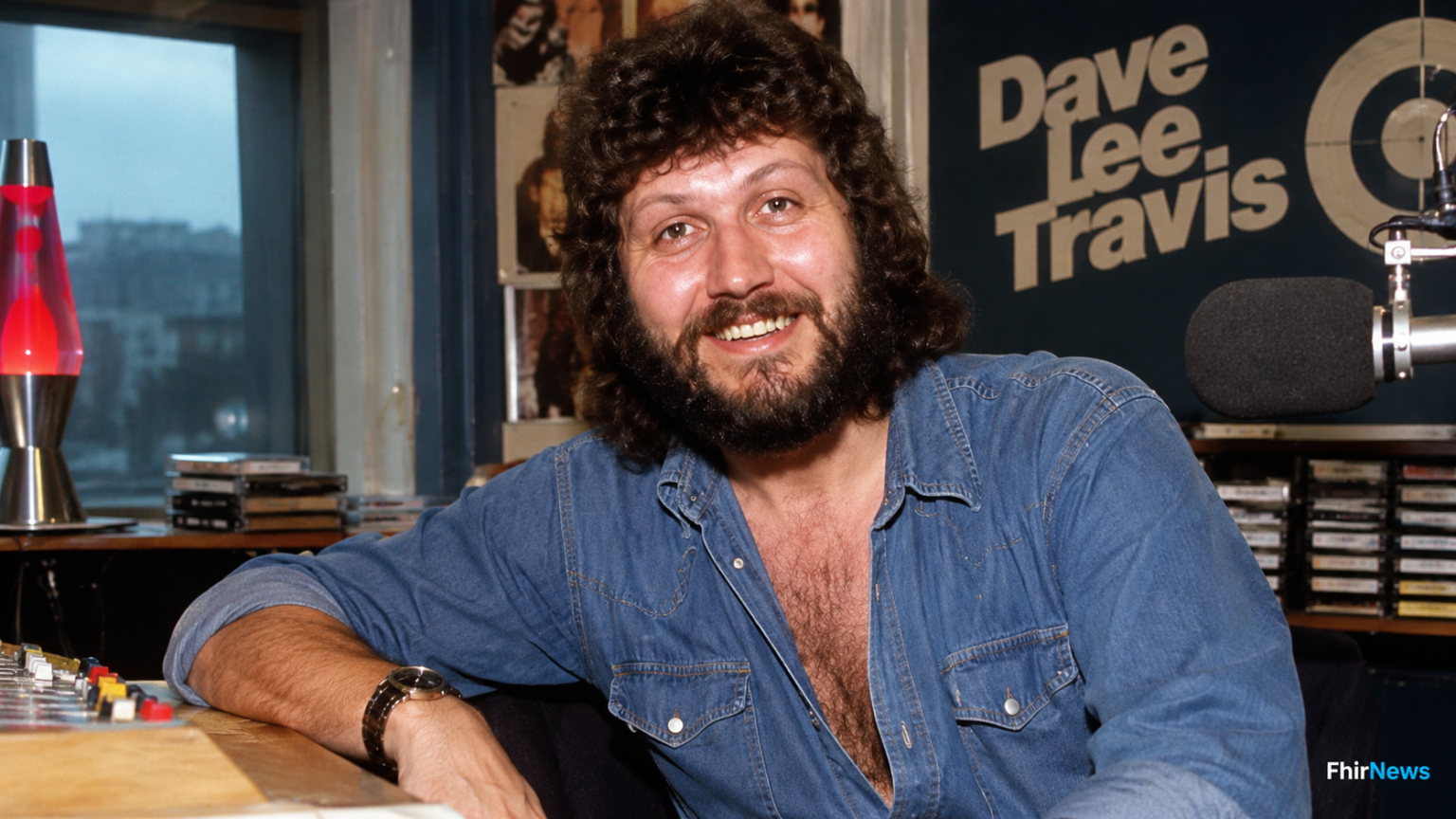

Dave Lee Travis presented programmes on BBC Radio 1 for close to twenty six years, was later convicted of indecent assault as part of the Operation Yewtree investigation, and is now hosting a weekly show on Heritage Chart Radio.
Early Career on Pirate Radio
Before he was known on air, Travis was David Patrick Griffin, born in Buxton, Derbyshire, on 25 May 1945. He worked as a shop interior designer and a photographer in Manchester before he ever touched a microphone professionally.
His actual break came from DJing part time at the Oasis Club in Manchester. From there, things moved quickly:
- He toured clubs, ballrooms, and theatres across the UK running his own DJ nights
- Herman’s Hermits brought him along as tour manager on their American shows
- He joined Radio Caroline South in September 1965, one of the offshore pirate stations that pushed pop music onto British airwaves before the BBC caught up
- By 1967 he had also worked on Radio Caroline North
That period is where the on air persona that later became known as DLT started to take shape.
The Radio 1 Years
When BBC Radio 1 launched in 1967, Griffin, now going by Dave Lee Travis, joined the station and stayed until 1993. Across that run he held nearly every major slot the station had:
- Weekday lunchtime shows in the early 1970s
- The teatime programme from 1975
- The Radio 1 Breakfast Show between 1978 and 1980, the job that earned him the nickname the Hairy Cornflake
- Weekend mid mornings from 1983 until 1993
He was also a regular presenter on Top of the Pops through the 1970s and 80s, and in 1976 he had a genuine chart hit as one half of the novelty act Laurie Lingo and the Dipsticks. One running bit from his weekend show, a fake match commentary called Snooker on the Radio, became one of the more recognisable features on the station at the time.
He resigned from the BBC live on air in 1993 during a dispute over changes at Radio 1. He kept working afterward, most notably presenting the World Service request programme A Jolly Good Show, which reportedly reached listeners well outside the UK, including audiences in Myanmar.
The Court Case
In November 2012, Travis was arrested as part of Operation Yewtree, the police investigation launched after abuse allegations against the late presenter Jimmy Savile came to light. He was charged the following year under his birth name, David Patrick Griffin, with counts of indecent assault and one count of sexual assault, covering claims dating back to the 1970s.
Travis pleaded not guilty to everything and stood trial at Southwark Crown Court. The case ran in two parts:
- In February 2014, a jury cleared him of twelve counts of indecent assault
- Two further counts went unresolved, leading to a retrial that began in September 2014
- At the retrial, ITV News reported that he was found guilty of one count of indecent assault, involving a woman who worked behind the scenes on the BBC’s Mrs Merton Show in 1995
- He was cleared of a separate charge from the early 1990s, and the jury could not agree on a third count of sexual assault
- On 26 September 2014, the judge sentenced him to three months in prison, suspended for two years, citing his age and health
Travis maintained he was not guilty of that final charge and said afterward that he was mortified by the verdict.
Presenting Again on Heritage Chart Radio
Travis stayed largely out of national broadcasting for more than a decade after the conviction. That changed in February 2025, when Heritage Chart Radio confirmed he would host a new Sunday programme running from 10am to noon, starting that March. Broadcaster Mike Read, who had worked alongside Travis at the BBC since 1978, made the announcement on the station.
Wikipedia’s current entry on Travis lists that Sunday slot as his most recent known presenting role, mixing new music with the classic hits from the decades he helped shape.
Top of the Pops Reruns Still Reflect the Conviction
One part of Travis’s BBC history has not been reversed by the comeback. After his conviction, the BBC confirmed it would not broadcast archive episodes of Top of the Pops that he had hosted. A BBC spokeswoman told the press at the time that the corporation would not show Top of the Pops repeats fronted by Travis and would consider any other archive appearances on a case by case basis.
That decision has stood since 2014. Travis presented Top of the Pops regularly through the 1970s and into the mid 1980s, and those specific episodes remain absent from the BBC’s ongoing rebroadcasts of the show, even as his new Sunday programme continues to air.