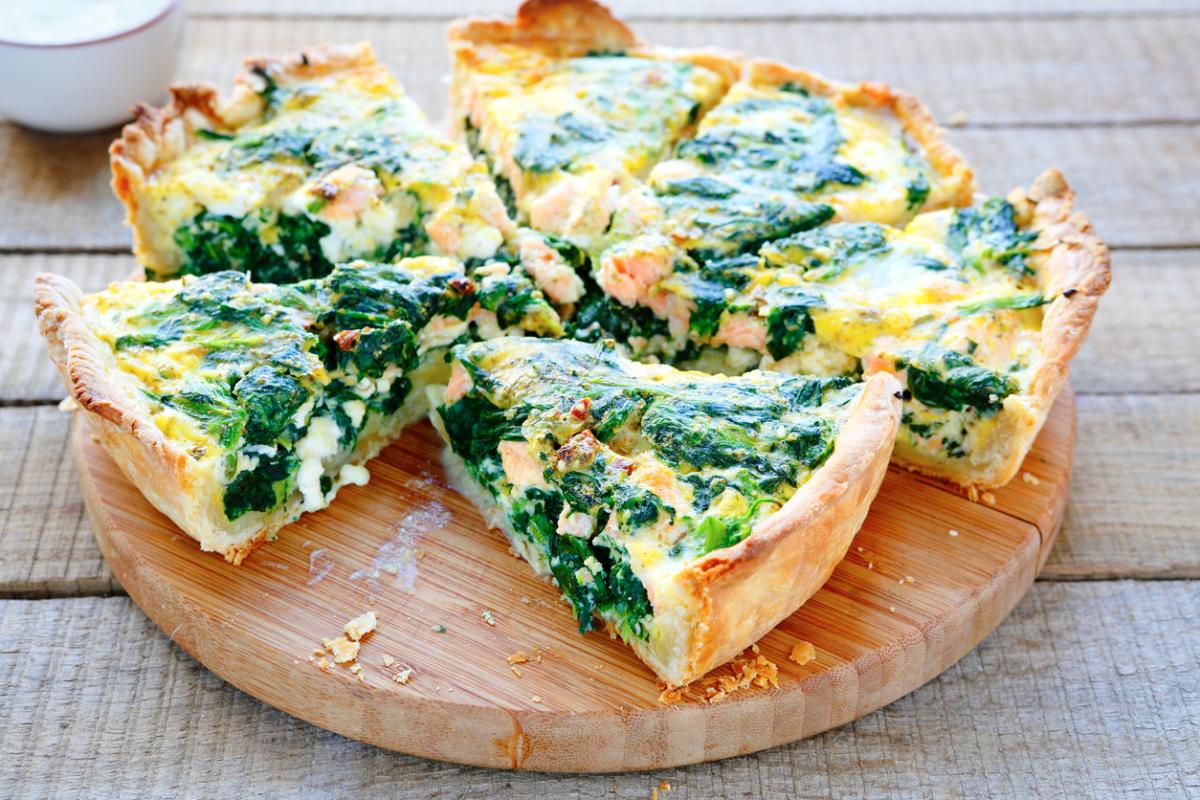

Anyone typing “best tarta de acelga near me” into a phone tonight is really asking one plain question. Which place nearby actually cooks the chard properly, and which one just reheats a soggy tray from the morning rush.
Two Names, One Very Old Pie
Before comparing bakeries or delis, it helps to know what this dish is supposed to taste like in the first place. Tarta de acelga is the South American cousin of an Italian pie called torta pasqualina. According to La Cucina Italiana, the original pie took shape in Genoa in the 16th century and then spread across the wider Ligurian region. The classic filling paired chard or spinach with eggs, marjoram and a soft fresh cheese local to that part of Italy.
A Genoa based food and hospitality site, Astoria Genova, reports that the pie has remained part of Ligurian cooking for centuries, moving from home kitchens onto festive tables, especially around Easter. Today it is also sold year round in bakeries and small food shops across the city, not just during the holiday.
Italian families who settled in Argentina, Uruguay and Paraguay in the early twentieth century brought the recipe with them. The food history site 196 Flavors notes that torta pascualina was carried into Argentina and Uruguay during the wave of Italian immigration in the early twentieth century and is now considered part of the culinary heritage of both countries. Local cooks swapped in what was on hand, added onion, ham or extra cheese, and the pie became a weekly meal rather than a holiday dish.
Why So Many Search Results Miss The Mark
Chard holds a lot of water. Boil it, chop it and skip a proper squeeze, and the filling turns watery the moment it hits a hot slice. That single step separates a good tarta de acelga from a forgettable one, and it explains why star ratings alone can be misleading. A bakery can be popular and still rush the drying step on a busy day.
Search engines also mix real bakeries in with recipe blogs, listicles and pages built only to rank, not to help anyone actually order food. Sorting a genuine neighbourhood spot from a page padded with generic tips takes a bit more effort than clicking the first result.
Five Checks Before You Order
Run through these before picking a place near you:
- Look at the filling texture. It should hold together on the fork. Liquid pooling on the plate is a sign the chard was not drained well.
- Ask when it was baked. Kitchens that bake in smaller batches through the day tend to serve a fresher pie than ones reheating a single morning tray.
- Check the seasoning. A hint of nutmeg, black pepper and sauteed onion should come through without hiding the chard itself.
- Look at the crust. Both the top and bottom should be golden and a little crisp, not pale or damp underneath.
- Read recent comments, not the overall score. A kitchen can change hands or change its recipe. Comments from the past few weeks matter more than an average built up over years.
What The Star Rating Leaves Out
A high overall score mostly tells you a lot of people walked in the door. It does not tell you whether the chard was properly dried, whether the pastry was baked all the way through, or whether today’s batch matches last month’s. Reading two or three recent, detailed comments about texture usually gives a clearer picture than the number next to the stars.
A Two Minute Test Worth Running
Order a single slice before committing to a whole pie. Most bakeries and delis will not mind the request, and it gives an honest read on the filling, the seasoning and the crust without spending on a full order. If the slice arrives dry, watery or bland, that tells you what you need to know before buying more.
The Bottom Line
There is real history behind this dish, from Genoa’s old bakeries to family kitchens across Argentina, Uruguay and Paraguay, and that history is part of why so many people still search for the best tarta de acelga near me instead of settling for the first bakery that pops up.
Sources referenced: La Cucina Italiana, Astoria Genova, 196 Flavors